Choosing a wedding venue is one of the most exciting parts of planning—but it’s also one of the most misunderstood.
Most couples start with aesthetics. And while it’s natural to fall in love with a beautiful space, here’s the truth: couples often choose based on looks and not logistics.
And that’s where things start to fall apart.
Because just because a venue is pretty doesn’t mean it’s functional.
This is exactly why involving a planner early is so essential. Experienced planners don’t just see a space for what it looks like—we see how it actually works. We understand flow, timing, vendor movement, guest experience, and how the entire environment will function once it’s filled with people, sound, energy, and production.
When searching for Orlando wedding venues or exploring unique Central Florida venues, the difference between a good choice and a stressful one is almost always logistics.
Allegro Notes
MONTHLY JOURNAL
Exploring how rhythm, timing, and intentional hosting transform gatherings into shared experiences
Coda
Each month, we reflect on the moments that defined our work — and the standards that continue to guide every Allegro experience.
April 2026
How to Choose the Right Space for Your Wedding: A Venue Search Guide
Open House at Orangestar Farm
Planning a wedding or special event? Check out Orangestar Farm, for their open house on May 26, 2026, from 4 - 7pm
For more information or to reserve tickets: https://docs.google.com/forms/d/e/1FAIpQLScxHwr2bLOkfidqNaD1JdXNlMAq1lruFY5mC1TJD85ftAuBjQ/viewform
Upcoming Event
One of the most important, and most overlooked, factors in venue selection is what we call the flow test.
Can guests move easily between spaces?
Are transitions natural—or awkward and interrupted?
Does the layout support the experience you want to create, or does it fight against it?
For example, smaller weddings—typically under 100 guests—can often benefit from more built-in, house-style venues. These spaces feel intimate, layered, and charming, but they also come with structural limitations. Walls, hallways, and segmented rooms can make it difficult to comfortably fit larger groups or create open, uninterrupted movement.
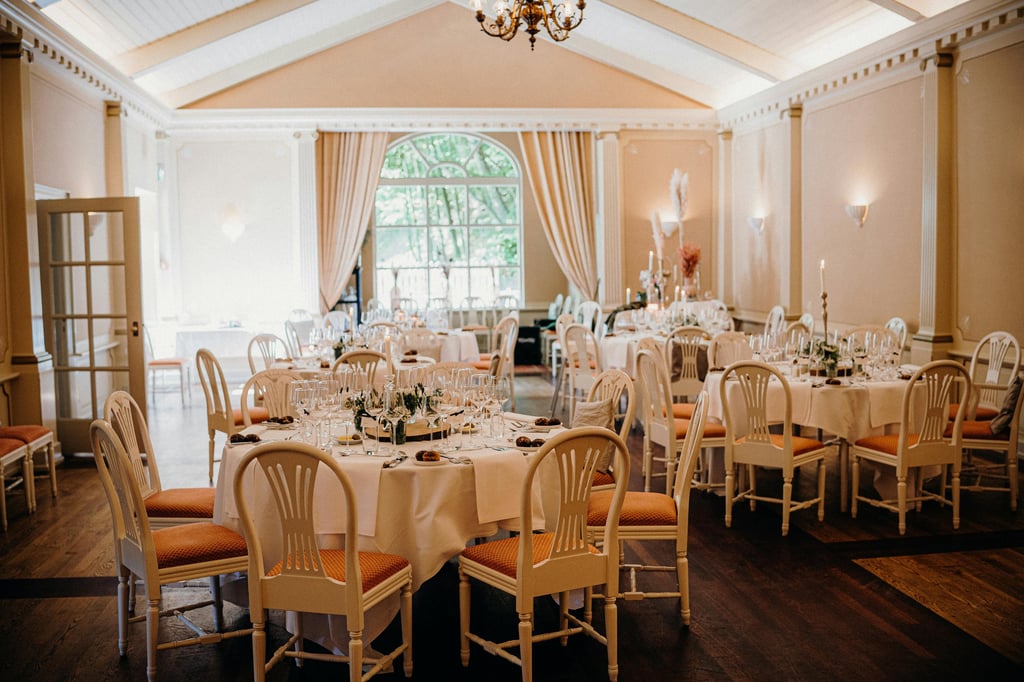
On the other hand, an open ballroom designed for 200+ guests creates a completely different experience. It feels expansive, intentional, and fluid. Guests can move freely, energy can build naturally, and the space supports larger-scale production without feeling constrained.
Then there’s the middle ground: multi-room venues. If you’re envisioning a lounge-style experience—quiet areas for conversation, separate spaces for cocktails, or layered energy—you may want a venue that offers distinct rooms that allow you to control noise and pacing.
But if you’re planning a high-energy celebration with a strong dance floor focus, chopped-up layouts can interrupt momentum and break the flow of the night.
The Flow Test: How a Space Actually Moves
Space vs. Guest Count: The Mismatch Problem
Another major factor when reviewing the best venues in Orlando is space-to-guest count alignment.
Bigger is not always better.
If you have 50 guests in a venue built for 300 or 500, the space can feel overwhelming and disconnected. Instead of feeling intimate and intentional, the event can feel empty or spread too thin.
On the other hand, if the space is too small, guests feel crowded, uncomfortable, and restricted. Neither extreme supports a memorable experience.
The goal is balance—where the space holds the energy of the guest count, not swallows it or compresses it.
Hidden Restrictions You Don’t See on the Tour
One of the biggest surprises couples run into during wedding venue search is hidden restrictions.
These aren’t always obvious during the tour, but they shape your entire event.
Noise ordinances in residential or mixed-use areas can limit music and entertainment. Some venues have strict vendor rules or limitations on setup and teardown windows. And in certain areas—like parts of Lake County—fireworks (including cold sparks) require extensive permitting that can be difficult to secure.
Timing cutoffs are another major factor. If your vision includes a celebration that goes until 1 a.m., but your venue requires a hard stop at 10:00 p.m., that’s not a small detail—it changes the entire structure of your event.
These are the details that don’t show up in photos, but absolutely show up on your wedding day.
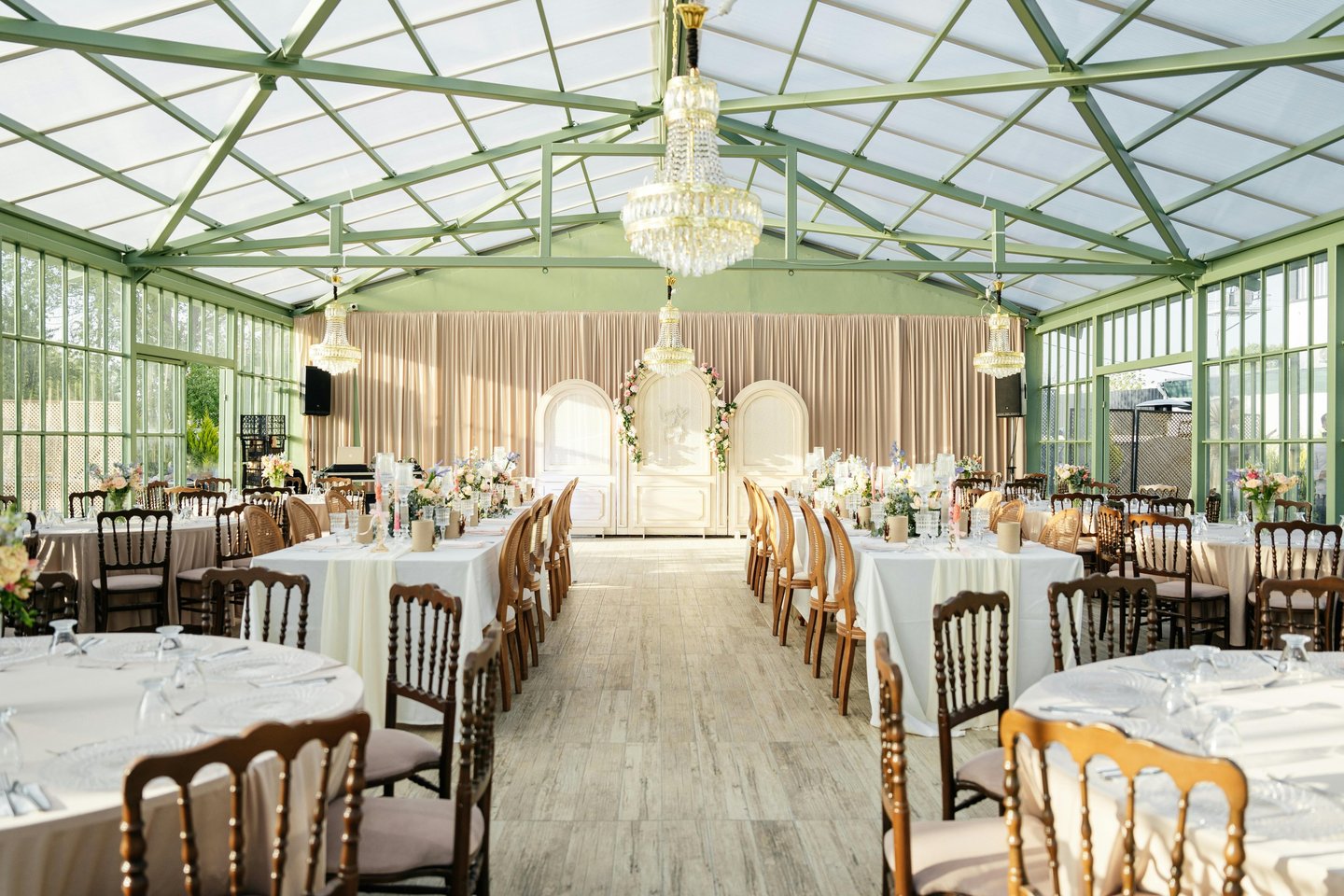
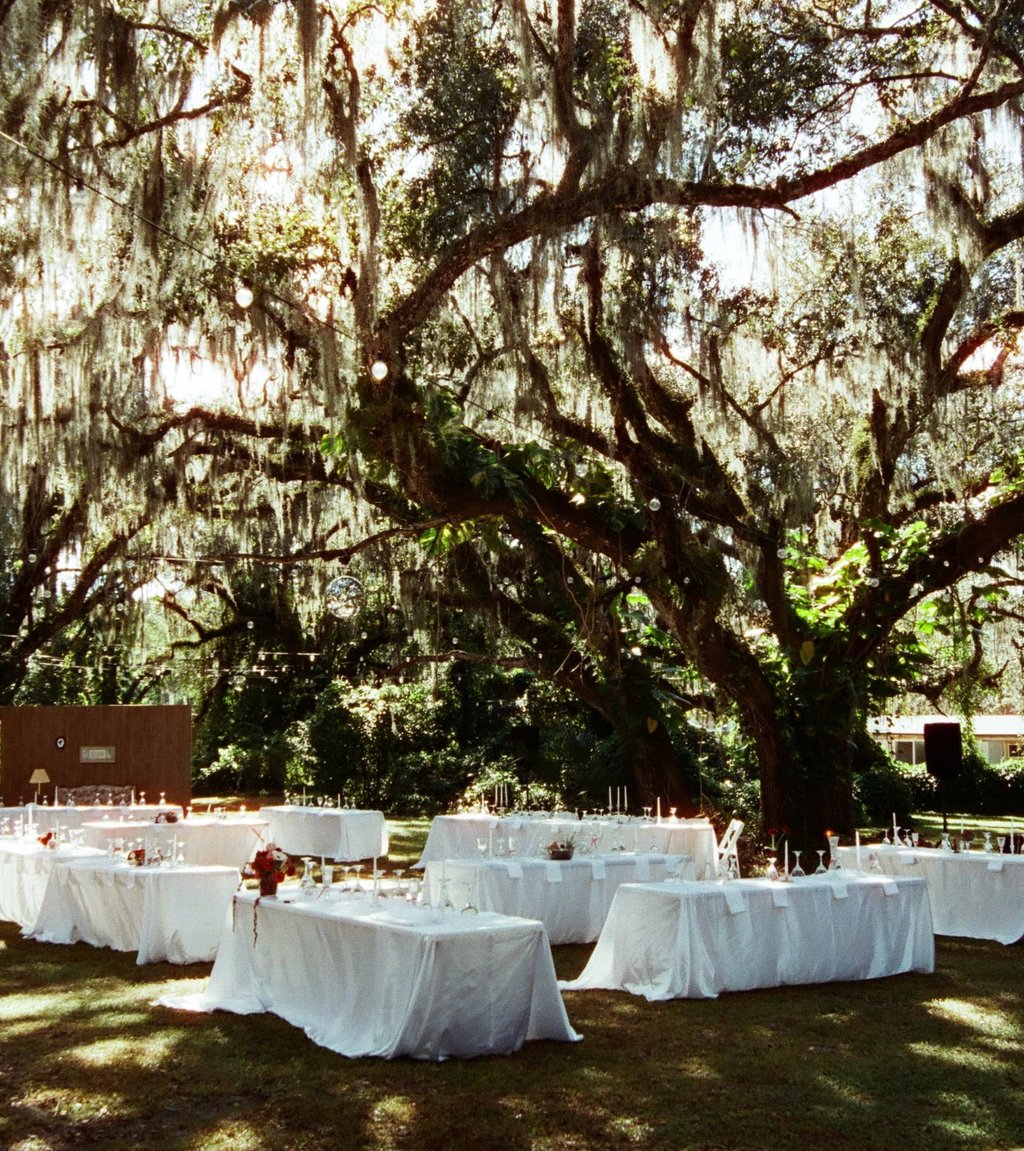
Florida Weddings: Weather Is Not a Maybe
When it comes to Central Florida venues, there is one non-negotiable reality: weather planning is essential.
It rains. Often. And unpredictably.
If you are planning an outdoor reception, you need a backup plan that is not theoretical. Tents should not be optional—they should be part of the conversation from day one.
For indoor-outdoor venues, the question isn’t just “is it pretty outside?” It’s “what happens when the weather changes in 10 minutes?”
Because in Florida, it can.
And your venue choice determines how smoothly that transition happens.
Your Venue Shapes Everything
Your venue is not just a backdrop—it is the foundation of your entire wedding.
It impacts your budget. In most cases, it will represent at least 30% of your overall investment.
It impacts your timeline, your vendor options, your décor decisions, your guest experience, and even the emotional rhythm of the day.
In other words, your venue is the single most influential decision in your planning process.
Where to Start Your Venue Search
If you’re beginning your wedding venue search, the best place to start is with intention—not just inspiration.
We recommend using the Wedding Venue Map as a starting point to explore Orlando wedding venues and other unique Central Florida venues in a more structured way.
From there, track your favorites, compare layouts, and evaluate how each space supports your vision.
To make this easier, we’ve also created a downloadable Venue Comparison Sheet to help you evaluate each option side by side—logistics, flow, restrictions, and overall fit.
→ Start your search here: Wedding Venue Map
→ Download your Venue Comparison Sheet to track and compare venues as you tour.
Because choosing a venue isn’t just about finding a beautiful space.
It’s about finding the right environment for everything you want your wedding to feel like.
No one really talks about this, but event guests leaving early is one of the biggest signs that something just feels off.
This usually comes down to a few key things.
First is poor timeline pacing. When there are gaps, delays, or moments that just drag, the energy drops fast. And when there’s no real rhythm—no shift between high-energy and low-energy moments—people start to feel it. That’s when event fatigue kicks in, and guests quietly start thinking about leaving early.
Another big factor is comfort issues. If the space is too cold or too warm, there’s not enough seating, or it feels overcrowded, people won’t feel settled. And when event guests don’t feel physically comfortable, they’re not going to stay long, no matter how good the experience is supposed to be.
Then there’s lack of engagement. When guests don’t feel involved, considered, or seen, they disconnect. If the event isn’t inclusive or intentional about how people are being brought into the experience, they’re going to drift out early.
Overly long formalities also play a huge role. Long speeches, drawn-out transitions, or too much waiting around can completely flatten the energy of the room. Even the most well-planned memorable events can lose momentum when formalities turn into a performance versus an inviting experience.
At the end of the day, keeping guests isn’t about forcing them to stay longer. It’s about giving them a reason to stay. When you’re intentional about the flow, the comfort, and the emotional rhythm of the experience, guests don’t want to leave early—they want to stay present in it.
These are the kinds of event planning tips that separate an “okay” gathering from truly memorable events.
Why Guests Leave Events Early (And How to Prevent It)