Wedding Planner Roundtable: What Couples Need to Know Before Booking a Wedding Planner
VENDOR INTERVIEWS
Melody Morrison
10/12/202613 min read
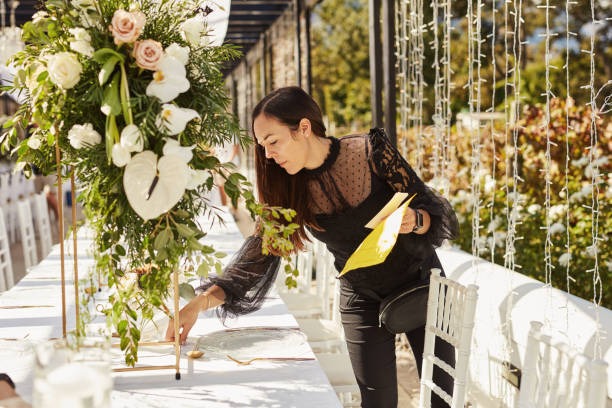
Not all wedding planners are created equal.
There’s a lot more to hiring a wedding planner than finding someone whose pricing fits your budget and whose Instagram looks good.
What does their package actually include? How involved will they be before the wedding? Who will be there on the day? What happens when something goes wrong? And how do you know whether the person you’re considering is actually the right fit for you?
These are the kinds of questions couples should be asking before signing a contract.
For Episode 10 of Set the Stage: Central Florida Weddings, I sat down with two Central Florida wedding planners, Yasmine Colon-Maldonado of Perfectly Planned by Yas and Allie Nazario of Celebrations by Allie, for an honest conversation about what couples should understand before hiring a planner.
We covered everything from choosing the right level of service to DIY decor, backup plans, vendor communication, and why having someone who can make decisions under pressure matters far more than you might realize.
Want to watch the full interview?
Set the Stage: Central Florida Weddings, Episode 10
featuring Yasmine Colon-Maldonado & Allie Nazario
Watch the full interview on YouTube here.
Prefer to listen instead? Listen to the interview podcast-style on Spotify.
Premieres October 12th, 2026 at 7 pm EST
Or continue reading below.


Don't Just Compare Prices: Compare What's Included
When couples inquire with a wedding planner, one of the first questions they often ask is, “What's included in your package?”
It's a fair question. But the answer needs to go beyond a checklist of services.
Two planners might offer something called month-of coordination, yet their processes, responsibilities, meeting schedules, team sizes, and levels of involvement can look very different.
One planner might begin working with you several weeks before your wedding. Another might offer multiple meetings, contract reviews, vendor communication, timeline development, and more hands-on support leading up to the event.
Neither approach automatically makes one planner better than the other. The important thing is understanding exactly what you're getting.
As Allie explained during our conversation, couples should do their homework and look for valid references that demonstrate the planner's experience and quality of work.
And please remember:
Planning your own wedding does not automatically qualify someone to plan weddings professionally.
There are a lot of moving pieces behind the scenes that couples never see.
Ask questions. Review the scope of services. Understand what is and isn't included before you book.
Chemistry Matters More Than You Think
Your wedding planner isn't just another vendor who shows up, does a job, and leaves.
Depending on your level of service, this person may be involved in some of your biggest planning decisions. They'll learn about your priorities, navigate family dynamics, communicate with your vendors, and potentially be the person you turn to when you're overwhelmed.
You need to be comfortable with them.
Both Yasmine and Allie talked about the importance of connecting with couples before committing to work together. Their goal isn't simply to book every inquiry that comes through the door. It's to determine whether the relationship makes sense for everyone involved.
Yasmine even shared that she likes to bring humor into her consultation calls. If the couple isn't connecting with her personality, that can be a sign that they might not be the right fit.
And that's okay!
You don't need to be best friends with your planner, but you should feel comfortable communicating with them, asking questions, and trusting their guidance.
Remember, the consultation is an interview that goes both ways. You're evaluating the planner, and they're evaluating whether they can serve you well.
Look beyond price and pretty pictures. Consider their communication style, personality, experience, and whether their approach aligns with what you need.
Understand the Difference Between a Planner and a Coordinator
Wedding planning and wedding coordination aren't interchangeable services, even though the terms sometimes get used that way.
The right choice depends on where you are in the planning process and how much support you need.
Full-service planning
Full-service planning generally begins early in your engagement. Your planner helps guide decisions throughout the process, from selecting vendors and navigating planning details to coordinating the final pieces and executing the wedding day.
As Yasmine described it, the planner is there to walk alongside you throughout the journey, helping you make decisions and bring everything together.
Partial planning
Partial planning is for couples who have already made some progress but need help with specific parts of the process.
Maybe you've booked your venue but still need help finding key vendors. Maybe you've made some decisions but aren't sure how to move forward with the rest.
Partial planning helps fill those gaps while providing guidance through the remaining planning process.
Month-of coordination or wedding day management
These services are generally designed for couples who have handled most of the planning themselves and need professional support bringing everything together.
But here's the catch: the name of the package doesn't tell you everything.
Allie explained that her month-of service includes meetings and some planning support to help finalize details. Allegro's Grand Finale Coordination™ begins eight weeks before the wedding, with weekly meetings leading up to the rehearsal and wedding day.
Those are different approaches to coordination, which is exactly why you need to understand each planner's process instead of assuming every package with a similar name is the same.
The question isn't simply, “Do you offer month-of coordination?” It's, “When do you start working with me, and what does that work actually look like?”


Your Wedding Timeline Is More Than Just a Start Time and an End Time
Let's talk about timelines.
You can find wedding timeline templates online. You can ask AI to generate a schedule. You can even put together a pretty detailed outline of how you want your wedding day to unfold.
But a timeline that looks good on paper isn't necessarily a timeline that will work in real life.
As Allie explained, planners review vendor contracts to identify requirements couples may have overlooked. A vendor might need a specific amount of setup time, a certain amount of space, or access to electricity. Those details affect how the day needs to be organized.
Planners also ask questions that help turn a generic schedule into a timeline tailored to the couple.
Are you cutting the cake? Will it be announced? When does the florist arrive? What needs to happen before the DJ can begin? Are there special details that need to be set out at a particular time?
These questions matter because every wedding is different.
And then there's one of my favorite topics from this conversation: buffer time.
Why buffer time is non-negotiable
If every single event on your timeline is scheduled back-to-back, one delay can throw off everything that follows.
A late shuttle, an extended ceremony, a vendor running behind, or an unexpected emergency can quickly eat into your schedule.
Both planners shared real examples of weddings where unexpected delays threatened the timeline. Because they had built in buffer time, they were able to recover much of that lost time without completely derailing the celebration.
That is the difference between a schedule that assumes everything will go perfectly and a timeline designed by someone who understands that things happen.
And in Florida?
Weather is another reason flexibility matters.
A planner may need to make real-time decisions about ceremony locations, cocktail hour, and the flow of the reception when conditions change.
AI can help you create a starting point, but it can't automatically account for every detail of your specific wedding. A professional planner brings experience, context, and judgment to those decisions.
Your Wedding Planner Should Be Solving Problems, Not Handing Them to You
Here's something couples don't always consider when they're budgeting for their wedding: the day itself is not guaranteed to go according to plan.
Something might arrive late. A guest might need assistance. A vendor might need a decision. The weather might change. An intoxicated guest might need to be cut off from the bar.
These situations require someone who can assess what's happening, communicate with the right people, and make decisions without unnecessarily involving the couple.
As Allie put it during our conversation, the goal is to solve the problem and let the couple know afterward when appropriate.
That doesn't mean couples should never be informed about important decisions. It means they shouldn't be expected to manage every issue while they're trying to get married.
Yasmine also emphasized that planning requires the ability to see the bigger picture. A planner can't focus so heavily on one detail that they miss something affecting the entire event.
Think of your planner as the person helping orchestrate all the moving pieces. They're coordinating with vendors, watching the timeline, managing changes, and making sure the individual parts work together.
That's a very different responsibility from simply showing up with a clipboard.
DIY Can Save Money, But it Can Cause More Work
DIY wedding decor has become increasingly popular, and it's easy to understand why. Creating your own centerpieces, signage, favors, and other decorative details can feel like a way to stretch your budget.
But the materials aren't the only cost to consider.
Someone has to transport everything, unload it, assemble it, arrange it, set it up, and eventually pack it all away.
And that someone may be your planner.
During the roundtable, Allie and Yasmine shared their experiences working weddings with extensive DIY decor. In one example, what arrived was significantly more involved than the team had anticipated. They had to call in additional help to get everything set up within the available time.
That's a lot of work to discover on the wedding day.
Neither planner was saying you shouldn't DIY. The point was that your planner needs to know what you're creating before the wedding so they can plan for the labor involved.
If you're making your own decor, here are a few things to discuss ahead of time:
Show your planner what you've made. Set up a sample table or create a mockup so they can see the finished design.
Share the full scope. Let them know how many pieces need to be assembled, placed, or arranged.
Confirm what's included. Ask whether DIY setup is part of your package or billed separately.
Discuss staffing. Some projects may require additional hands or several hours of setup time.
Plan for breakdown. Don't forget that everything you bring in may also need to be packed up at the end of the night.
Your planner wants to help bring your vision to life.
But if they have to spend the entire setup period assembling DIY centerpieces, they may not be available to welcome vendors, oversee logistics, or manage other important responsibilities.
Communication ahead of time makes a difference for everyone.
Ask About Backup Plans and Team Structure
When you're hiring a wedding planner, it's natural to want the business owner to be there on your wedding day. But it's also worth asking what happens if that person becomes ill or has an emergency.
Does the planner have a trusted assistant or backup? Is there someone who understands your wedding and can step in if necessary?
Both Yasmine and Allie discussed why they value having additional support available. Weddings are long, physically demanding days, and planners are human beings. Illness and emergencies happen.
Having a backup plan can help protect the couple's experience when something unexpected affects the person leading the event.
You should also ask how many people will be assigned to your wedding.
A lower-priced package might include one planner, while another might include a lead planner and an assistant. Neither arrangement should be judged on price alone, but you need to understand what the staffing plan means for your event.
Guest count, setup complexity, venue layout, and the number of moving parts can all affect how much support is needed.
A planner should be able to explain their staffing approach and why it makes sense for your wedding.
Hospitality and Crisis Management
One of the most interesting parts of this conversation was hearing how much both planners value customer service and hospitality experience.
Yasmine spoke about how her background in customer service shaped her approach to wedding planning. For her, serving couples means bringing kindness, professionalism, and a genuine desire to make their day exceptional.
Allie talked about the importance of staying composed under pressure and knowing how to respond when plans change.
Those skills aren't limited to the wedding industry. But they are particularly valuable in an environment where emotions can run high and decisions sometimes need to be made quickly.
Consider a situation where a guest has had too much to drink. Someone needs to recognize the problem, communicate with the appropriate vendor, and help manage the situation safely.
Or imagine a vendor arriving late while the ceremony is about to begin. The planner needs to assess the impact, communicate with the team, and determine the next steps.
These aren't just scheduling tasks. They require judgment, leadership, communication, and the ability to work with people.
When evaluating a planner, ask about their experience handling unexpected situations. Ask how they manage pressure and how they approach difficult conversations.
Their answers can tell you a lot about how they'll lead your wedding day.


Your Planner Needs to Be a Team Player
Your wedding planner doesn't work in isolation.
They work with your venue, photographer, DJ, caterer, florist, bar team, and every other vendor involved in bringing your celebration together.
The way they communicate with those professionals can directly affect how smoothly the event runs.
During our conversation, we talked about how important it is for planners to communicate clearly, welcome vendors, explain where they need to set up, and keep everyone informed as the day progresses.
A planner who isn't communicating with the vendor team can create unnecessary confusion. And if a planner has a reputation for being difficult to work with, that can affect professional relationships before the wedding even begins.
This is another reason to pay attention to how a planner communicates with you during the inquiry process.
Are they responsive? Do they explain things clearly? Do they treat you respectfully? Do they listen to your concerns?
That behavior can offer insight into how they may communicate with your other vendors.
A great wedding day requires collaboration.
Every vendor has a role, and the planner helps coordinate those individual responsibilities into one cohesive experience.
What About Family Helping on the Big Day?
Family members often want to help with wedding preparations. And that comes from a good place.
But there's a difference between having loved ones participate in meaningful ways and having them manage the logistics of the event.
Allie talked about how family involvement in setup can sometimes create additional stress, especially when family members try to take over tasks that the planner and their team are already responsible for.
There's also the question of whether you want your family spending the wedding day working instead of celebrating with you.
If you hire a professional team, make sure everyone understands their roles before the wedding. Talk to your planner about how family members can participate without interfering with the setup process or creating confusion.
And if your family has strong opinions about how things should be done, have those conversations early.
The goal isn't to exclude anyone. It's to make sure everyone can enjoy the celebration while the people responsible for execution do their jobs.
Questions to Ask Before Hiring a Wedding Planner
By this point, you might be realizing that there's more to choosing a planner than you initially thought. That's exactly why asking the right questions matters.
Use these questions as a starting point during your consultations.
Experience and fit
How long have you been planning weddings?
What experience do you have with weddings similar to mine?
Can you provide references or examples of your work?
How would you describe your planning style and communication approach?
How do you determine whether a couple is the right fit for your services?
Packages and services
What exactly is included in this package?
When does your involvement begin?
How many meetings are included?
Will you review my vendor contracts and help develop my timeline?
Are DIY setup, additional labor, or breakdown services included?
What additional costs might come up based on my plans?
Wedding-day execution
How many team members will be present?
Who will be my primary point of contact on the wedding day?
What happens if you become ill or have an emergency?
How do you build buffer time into the timeline?
How do you handle unexpected changes or emergencies?
How do you communicate and coordinate with the other vendors?
Teamwork and leadership
How do you handle stressful situations?
Can you share an example of something that didn't go according to plan and how you handled it?
How do you manage difficult guest situations?
How do you approach disagreements or last-minute changes?
How do you make sure the couple isn't pulled into every problem that comes up?
Don't feel like you need to ask every question in rapid-fire succession. Use them to guide a real conversation and determine whether the planner's approach matches your expectations.
There is No "One-Size-Fits-All" Wedding Planner
One of the things I appreciated about this roundtable was the reminder that planners don't all operate the same way.
Yasmine and Allie have different backgrounds, different service structures, and different approaches to working with couples. Yet both emphasized the same fundamentals: experience, communication, teamwork, preparation, and a genuine commitment to serving their clients.
That's what couples should be looking for.
Not necessarily the planner with the most elaborate package. Not automatically the cheapest option. And not simply the person whose social media looks the most impressive.
Look for someone whose experience matches your needs, whose process makes sense to you, and whose approach gives you confidence in how they'll handle the responsibilities you've entrusted to them.
And remember:
Hiring a planner isn't about expecting a perfectly executed day where nothing ever goes wrong.
It's about having someone prepared to respond when it doesn't.
Meet Yasmine Colon-Maldonado | Perfectly Planned by Yas
Yasmine Colon-Maldonado is the planner behind Perfectly Planned by Yas. She began building her experience by shadowing other planners before pursuing certification and launching her own business. With five years in the industry at the time of this conversation, Yasmine brings a service-oriented approach to helping couples plan and experience their wedding day.
For more information about Perfectly Planned by Yas visit:
www.perfectlyplannedbyyas.com


Meet Allie Nazario | Celebrations by Allie
Allie Nazario of Celebrations by Allie came to wedding planning with a background in social and corporate events. After approximately seven to eight years in that field, she transitioned into weddings, building on her earlier event experience while learning the unique details of wedding planning. She has been working in weddings for approximately six years and continues to bring that broader event perspective to her work.
For more information about Celebrations by Allie visit:
www.celebrationsbyallie.com


What's Next?
If you found this article helpful and are looking for additional support, we’d love to hear from you. Book a wedding alignment call with our planning team below and let's make music together.
Your Planning Journey
LOOK BACK
YOU ARE HERE
UP NEXT


© 2026 Allegro Events US LLC
255 S. Orange Ave, Suite 104 #1527
Orlando, FL 32801
All rights reserved.


Energy. Elegance. Excellence.