Every event starts with a plan.
Pen to paper - timelines, layouts, and ideas take form.
But even with a perfect plan, the experience is subject to variables that require foresight, structure, and consideration long before the first guest arrives.
It begins in anticipation — in what people think is about to happen.
A guest who feels rushed before arrival carries that pace with them.
A guest who feels uncertain arrives guarded.
A guest who feels considered arrives open.
This is where most hosts fail to paint the picture.
We plan events as if the experience starts at the door. However, the perception of the event begins earlier — with the invitation language, the clarity (or lack thereof) of communication, the ease of parking, the tone of confirmation emails, and the way expectations are framed.
Assumptions fill in gaps when clarity doesn’t.
Context shapes meaning when intention isn’t explicit.
A beautifully designed space cannot override a preconceived assumption introduced beforehand.
This is why precision matters - not in perfection, but in alignment. When what’s promised matches what’s delivered, the experience feels effortless. When it doesn’t, even small moments feel off-kilter.
Intentional hosting requires consideration at every touchpoint, not just at the door.
The most refined events don’t feel impressive — they feel inevitable.
As if everything unfolded exactly as it should.
That doesn’t happen by accident.
It happens when the planning honors the experience, not just the plan.
Before a single word is exchanged, the room has already said something.
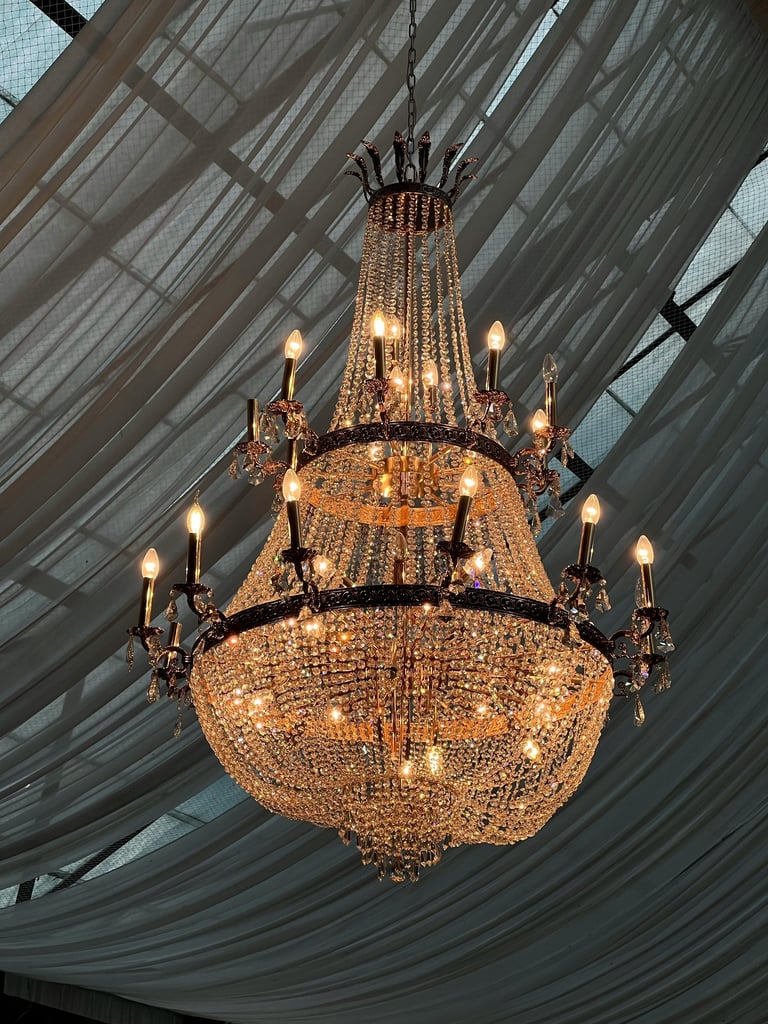
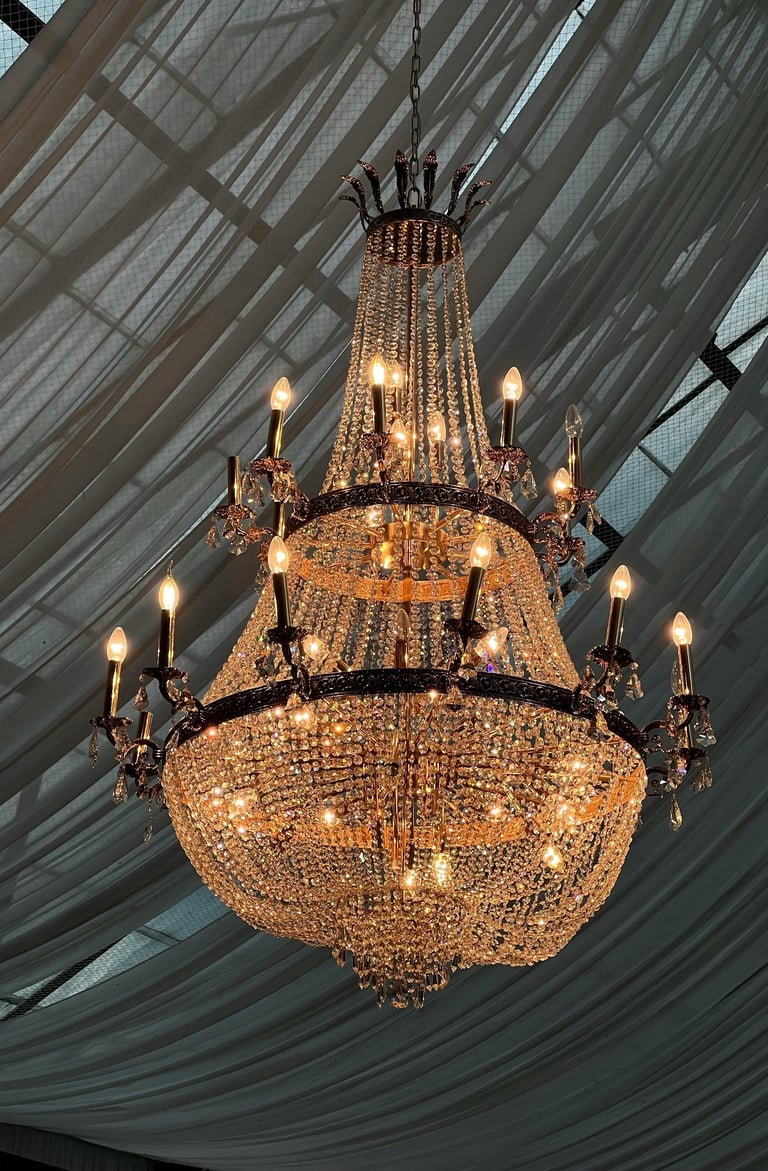
Environment is the first speaker.
Lighting, spacing, sound, texture — they all tell a story long before a guest can process the experience logically.
A room can whisper, You’re safe here.
Or announce, Stay alert.
Or hum quietly, inviting people to soften without knowing why.
The environment is never neutral.
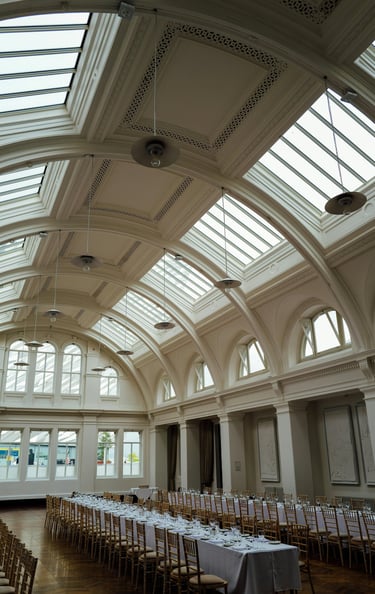
Ceiling height affects breath.
Seating arrangement dictates how people interact.
Light temperature can feel warm and inviting, or bright and overstimulating.
Music, even at a soft volume, sets rhythm for conversation.
Allegro Notes
MONTHLY JOURNAL
Exploring how rhythm, timing, and intentional hosting transform gatherings into shared experiences
Coda
Each month, we reflect on the moments that defined our work — and the standards that continue to guide every Allegro experience.
February 2026
Atlas Open House Showroom
Join Atlas at their Orlando Showroom for an Open House Cocktail Party where you can meet the team, network, view products, enjoy light bites and drinks, and more!
For more information or to reserve tickets, visit: https://www.eventbrite.com/e/atlas-open-house-cocktail-party-tickets-1980637065781
How the Environment Sets the Tone
The Plan vs. The Experience




Lakeview Garden Open House
Planning a wedding or special event? Check out one of our partner venues, Lakeview Gardens, for their open house on March 7th, 2026, from 4 pm-6 pm
For more information or to reserve tickets, visit:
https://www.eventbrite.com/e/lakeview-gardens-open-house-an-immersive-wedding-experience-in-central-fl-tickets-1979064931485?aff=oddtdtcreator


Upcoming Events
How anticipation, assumptions, and context shape experience long before the first interaction
Why do rooms speak before hosts ever open their mouths
People respond before they realize they’re responding.
In hospitality, we often talk about “reading the room.”
But the deeper skill is setting the room.
When the environment is tuned correctly, people don’t need direction. They instinctively match its tempo. They speak at the right volume. They linger where they’re meant to linger. They move when it feels natural to move.
This is orchestration, not decoration.
A well-set environment removes friction.
It reduces the emotional labor guests don’t even realize they’re carrying.
And when the room is calibrated with intention, hosts don’t have to perform. They can be present.
The most powerful environments don’t draw attention to themselves.
They create the conditions for connection, then quietly step back to observe.
Like a perfectly sustained chord, felt more than heard.


Why Memory Forms in the Absence of Noise
The spaces between moments are where meaning settles
We often think memory is created by moments that are loud, impressive, or highly produced.
But memory actually forms in the quiet.
It forms in the pause between conversations.
In the exhale after laughter.
In the unstructured moments where nothing is being asked of us.
Noise (audio, visual, or emotional) interrupts the process.
When an experience is too full, there’s no room for meaning to land.
This is why the most unforgettable events aren’t packed edge-to-edge with activity. They have breath built into them. Space. Restraint.
Silence is not emptiness.
It’s resonance.
In music, rests matter as much as notes. Without them, sound becomes chaos. With them, rhythm emerges. Emotion deepens.
Hosting works the same way.
When guests aren’t overstimulated, they become more aware. They notice each other. They remember how they felt, rather than just what they saw.
Memory favors simplicity.
It favors intention over excess.
This is where connection lives.
And that restraint?
That’s where memories are made, long after the last guest leaves.