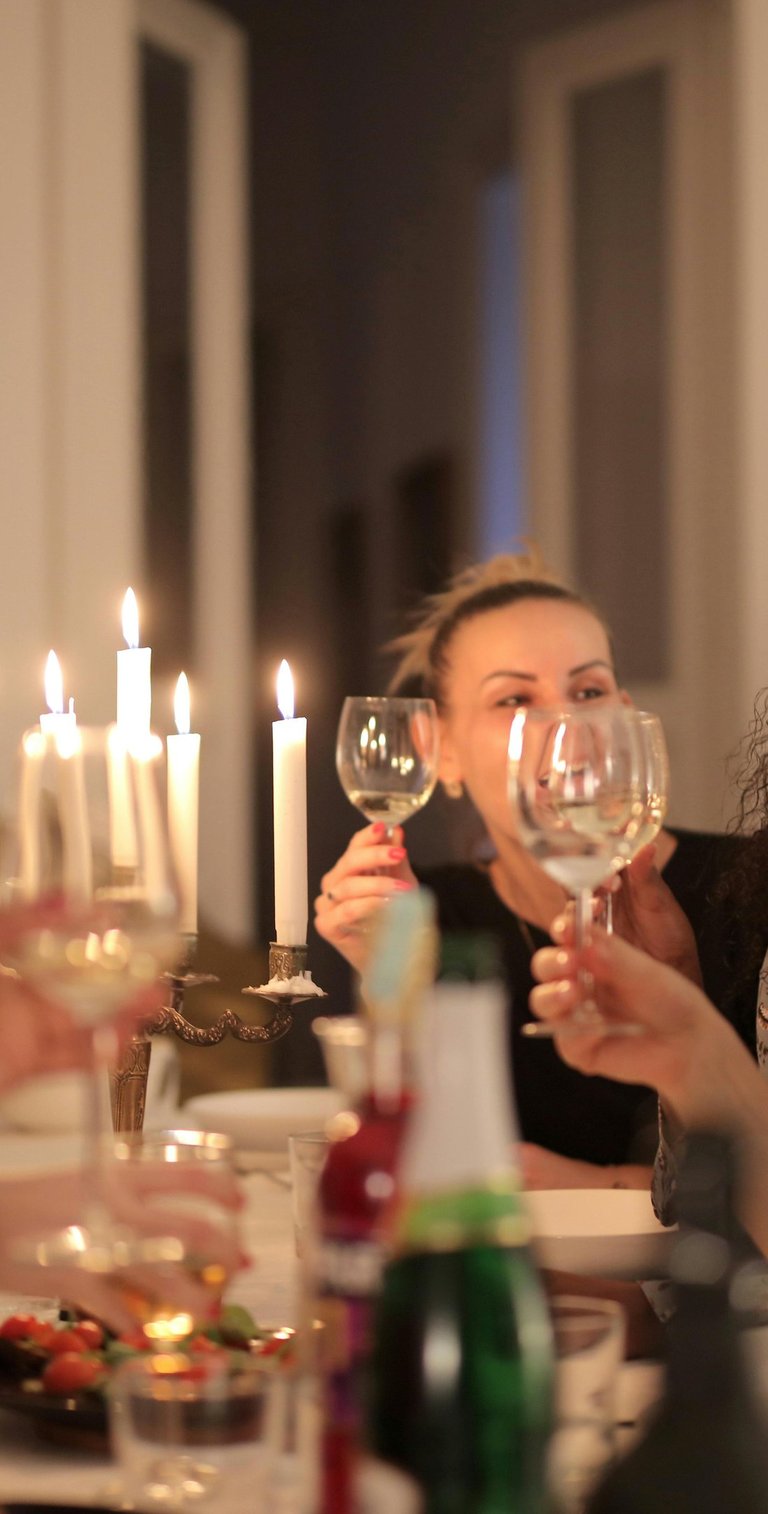
When people think about an event timeline, they often imagine a rigid schedule — a list of times that must be followed precisely, (sometimes down to the minute).
But the best events don’t feel scheduled.
They unfold naturally.
There is a rhythm to a well-lived event. And like music, that rhythm includes variation — bursts of energy, a quiet pause, and moments where the room has space to breathe.
A common mistake hosts make is trying to compress the timeline too tightly. Dinner, speeches, dancing, cake cutting, more dancing, favors… every moment accounted for. On paper it looks efficient. In practice, it can feel forced.
Your guests… they don’t experience the event on a clock, they experience the event’s energy.
The early portion of an event should allow people to arrive emotionally, not just physically. This is why the cocktail hour matters so much. It gives guests time to transition from their day into the experience you’ve created.
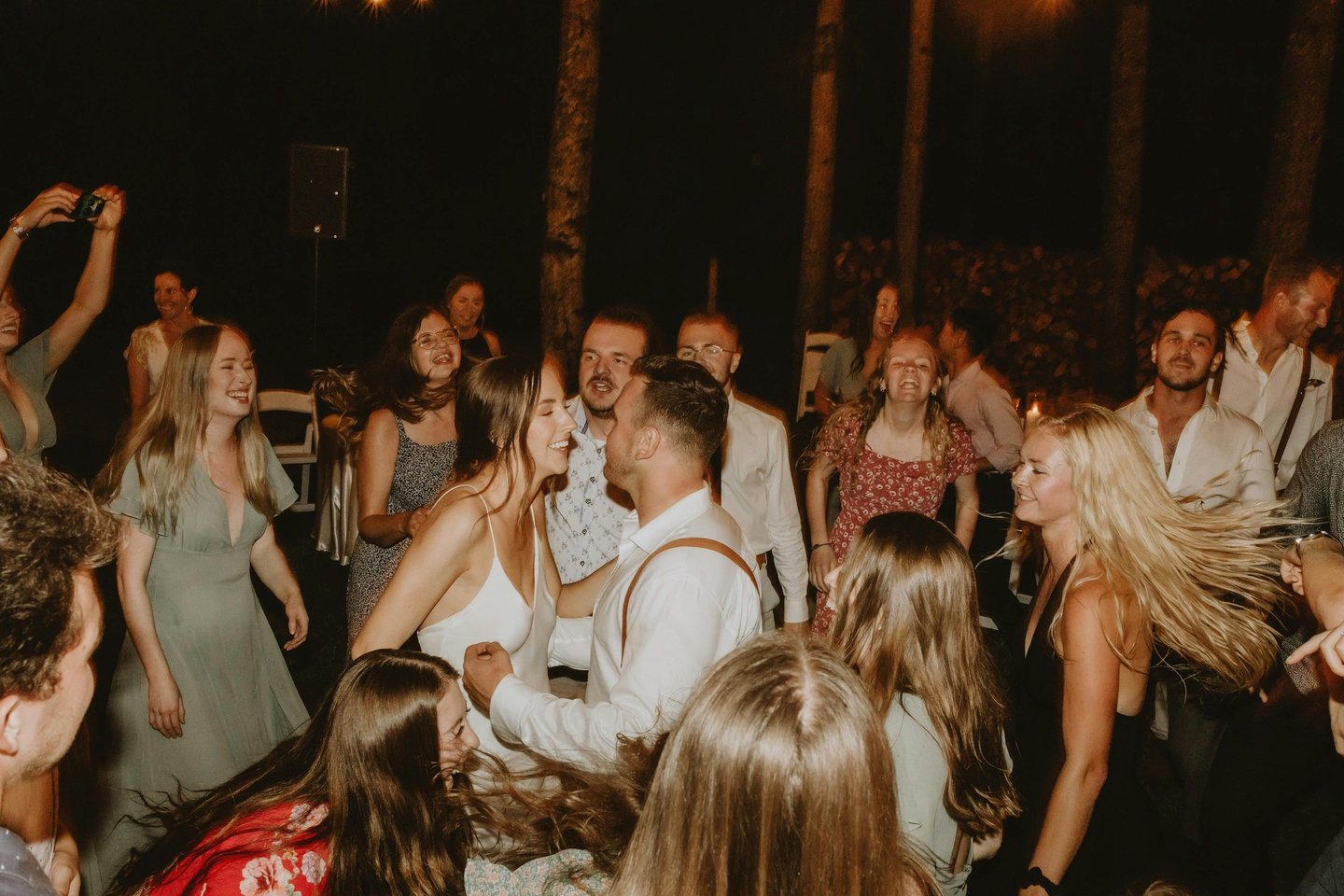
Later in the evening, momentum becomes important. Once guests are seated and engaged, the program should move with intention. Long pauses between key moments can cause the energy to fall flat. That’s when people disengage, start checking their phones, and even worse – leave.
Allegro Notes
MONTHLY JOURNAL
Exploring how rhythm, timing, and intentional hosting transform gatherings into shared experiences
Coda
Each month, we reflect on the moments that defined our work — and the standards that continue to guide every Allegro experience.
March 2026
Listening to the Season: Spring into Your Event
The Rhythm of a Well-Lived Event
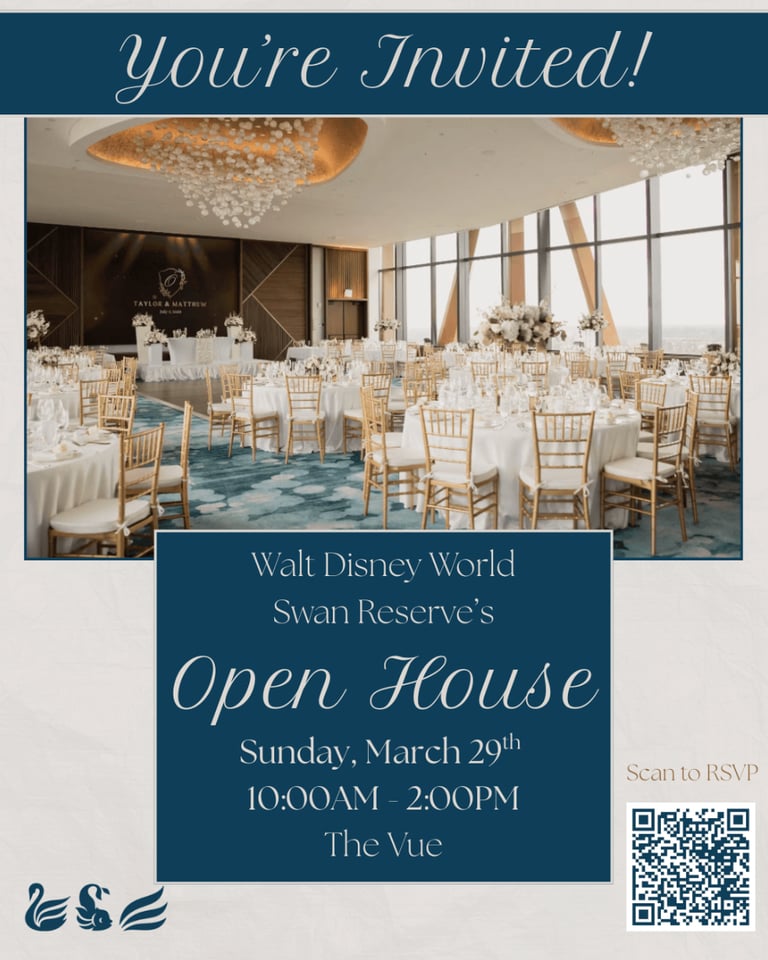
Open House at Swan Reserve
Planning a wedding or special event? Check out the Swan Reserve, for their open house on March 29th, 2026, from 10am -2pm
For more information or to reserve tickets, scan the QR code
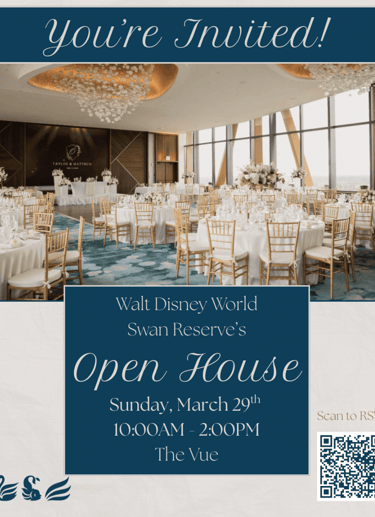
Upcoming Event
Rethinking the "Perfect Schedule"
Using Environmental Cues to Shape the Guest Experience
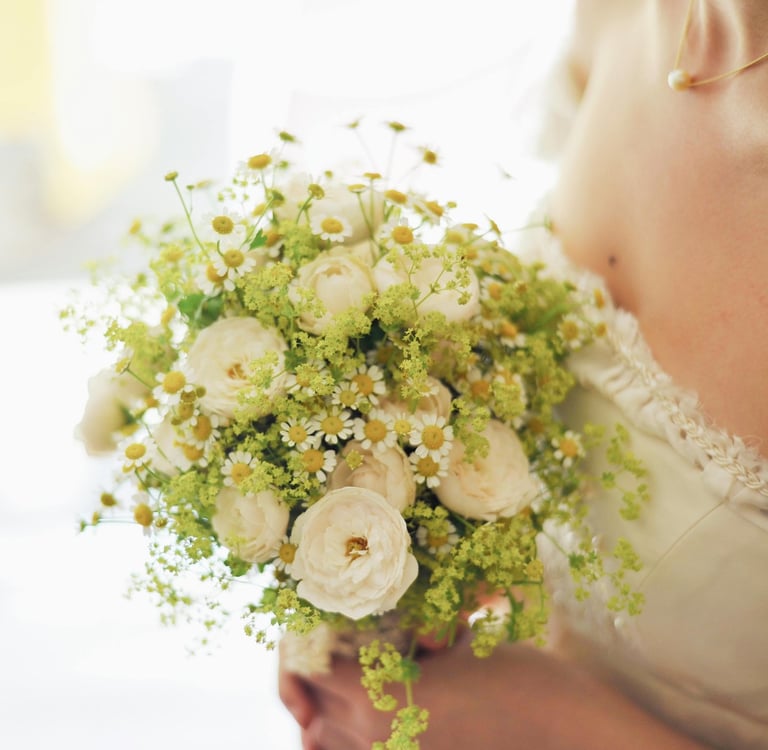
Spring carries a fresh new energy to it. The light is sharper, the air feels lighter, and nature is quietly nudging us toward growth. For hosts and planners, spring is more than a backdrop, it can be the creative compass for designing an event that feels alive and totally in sync with nature.
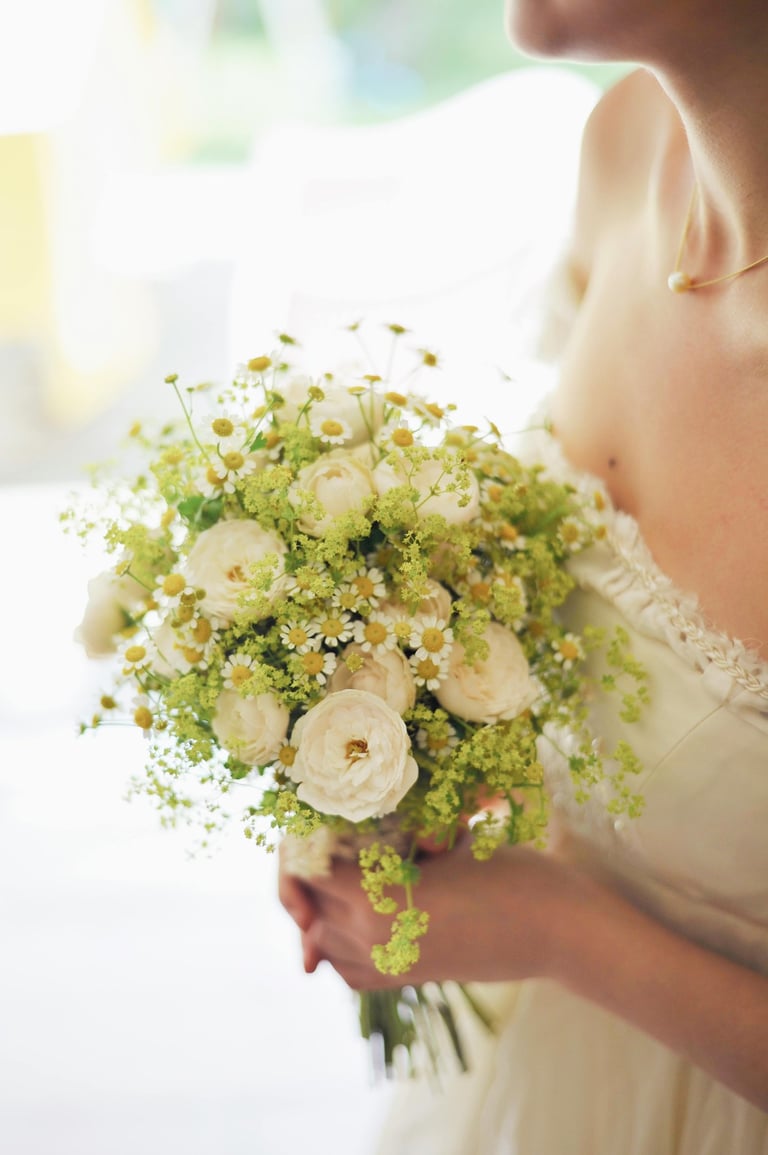
The simplest way to start designing is to look at what’s in season. Early blooms like daffodils, tulips, and hyacinths offer not just color, but fragrance. Citrus fruits, tender greens, and fresh herbs peak at this time of year, giving chefs and mixologists a natural palette to work with. When these seasonal ingredients inform menus, cocktails, and even centerpieces, the event gains a subtle coherence that feels thoughtful and in tune.
The elements of spring go beyond just decor and cuisine. Invitations could reflect the same seasonal narrative — soft pastels or botanical illustrations paired with language that evokes the freshness of spring. Perhaps the copy invites guests to “step into a garden of early blooms” or “celebrate the first light of the season”. When the theme is rooted in nature, every decision — from lighting to music to scent — becomes easier, more intuitive, and more connected.
Spring also engages the senses in ways that other seasons can’t. Fragrant blooms hint at renewal, citrus and herbs enliven taste buds, and natural sunlight filtering through windows or doors subtly adjusts mood and energy. Hosts can layer this further: textured linens that feel soft and fresh, wooden or stone surfaces that ground the space, and subtle acoustic or ambient sounds that echo the season’s gentle awakening.
There’s another nuance to consider this March: the clock has just sprung forward. Daylight Savings means many guests’ internal rhythms are still catching up. They may feel hungrier later in the evening or crave more substantial pacing around cocktails, appetizers, and dinner. A well-timed menu that reflects both the season and the subtle shift in circadian rhythm can prevent dips in energy while keeping the flow of the event feeling natural.
By letting spring guide the creative process, you allow the environment to do much of the work for you. Instead of imposing a theme, you’re responding to what already exists — the colors, flavors, scents, and rhythms of the season. Guests may not consciously notice every detail, but they will feel it. The result is an event that’s cohesive, vibrant, and immersive — one that resonates long after the last bloom fades.
The Art of Concept Development
Many events begin with a theme. Most hosts have a general idea of what they want the party to look like.
Maybe it's a corporate event – you think, we’ll use the company’s colors. Or maybe you’re planning an afternoon tea – whimsical florals, garden party, lots of lace. While theming includes decorative elements – guests rarely remember what color linens were used, or if there were daisies or peonies involved.
Concept development moves the conversation deeper.
Instead of asking what should the event look like, a concept asks a more meaningful question:
What experience are we trying to create?
The answer shapes far more than aesthetics.
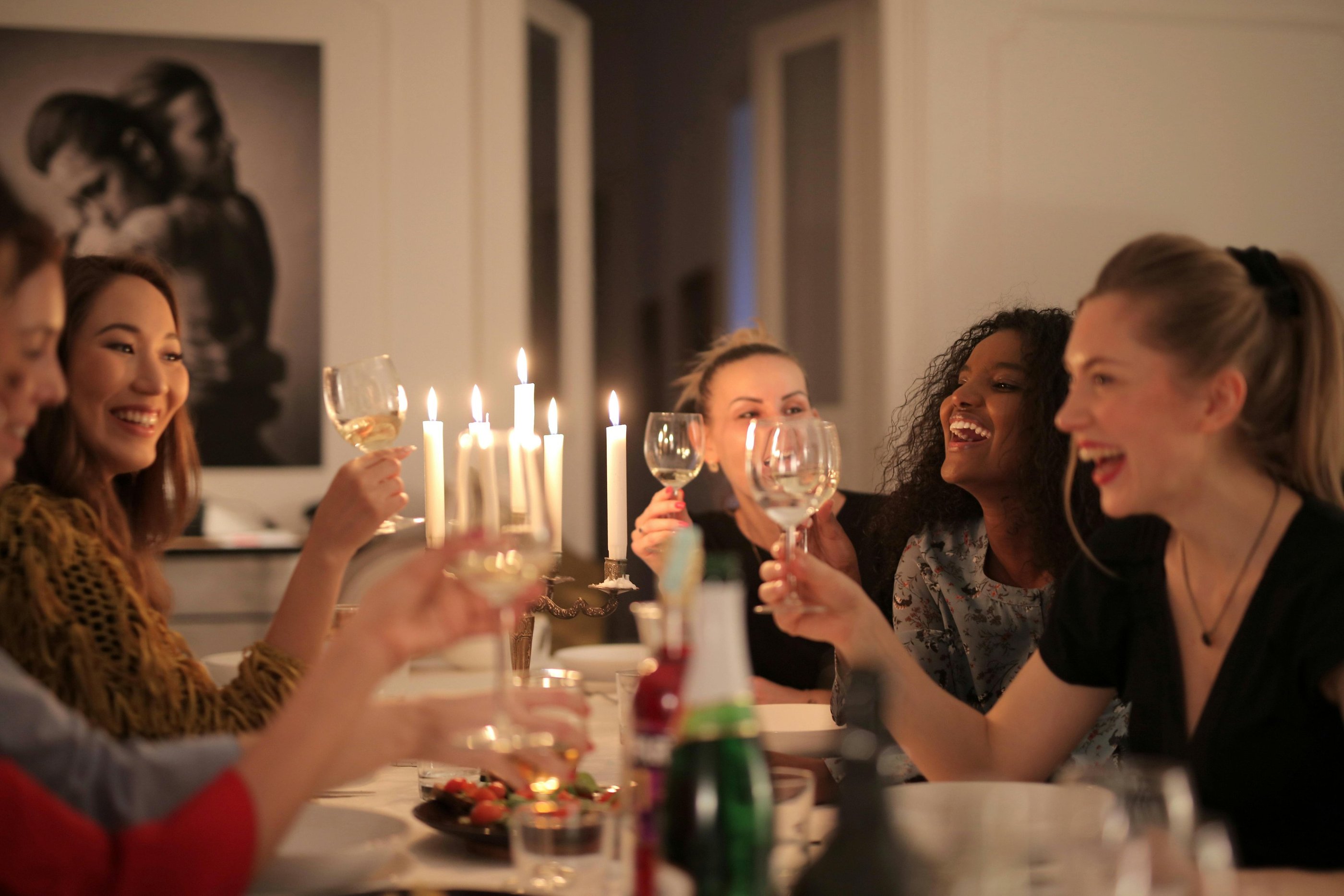
Imagine a couple planning their wedding who describe their style as “modern and elegant.” That gives some visual guidance, but it doesn’t yet reveal what the evening should feel like.
Now imagine the concept shifts slightly:
An evening that feels like an intimate dinner party in a beautiful city restaurant.
Immediately, a clearer vision begins to form.
Tables might be arranged to encourage conversation rather than distance. Lighting becomes warmer and lower, creating a sense of intimacy. The pacing of dinner slows slightly to allow guests to truly enjoy the meal and each other’s company.
Music begins subtly and builds later in the night, allowing the atmosphere to evolve naturally.
Suddenly every decision has a point of reference.
This is the power of a well-developed concept. It becomes the core from which every decision is made.
But equally important are the intentional gaps.
These are the unscheduled moments when guests connect, explore the space, or simply linger at the bar. These pauses allow the experience to feel relaxed rather than managed.
The most thoughtful timelines usually follow a gentle arc:
Arrival and curiosity.
Connection and conversation.
Shared moments of focus.
Rising celebration.
A graceful close.
When hosts understand this rhythm, the schedule becomes less about control and more about guiding the flow of the room.
Because the best events aren’t controlled – they are led with energy, attention, and intention.
Without this, planning can easily become a collection of disconnected ideas. A stunning floral installation here, a dramatic lighting moment there, a photo booth added because it seems fun.
Each element may be beautiful on its own, but without a guiding concept the overall experience can feel fragmented – leaving guests disconnected and ultimately confused.
A strong concept acts as a filter.
Instead of asking, What else can we add? the question becomes:
Does this support the feeling we want guests to experience?
Often, this leads to more thoughtful and oftentimes simpler choices.
When every element aligns with a central idea, the event begins to feel cohesive in a way that’s difficult to describe but immediately noticeable.
Guests might not be able to articulate exactly why the evening felt so special.
But they’ll remember the atmosphere.
They’ll remember how comfortable the space felt.
They’ll remember the way the night seemed to just flow.
And in the end, those emotional impressions are what transform an event from just beautiful to absolutely unforgettable.
From Idea to Atmosphere